Best Mountain Villa Rentals United States: Elevation Audits & Alpine Infrastructure
Securing high-end mountain real estate across American alpine corridors requires balancing architectural design with severe environmental realities. Coastal properties present marine corrosion challenges, whereas high-altitude estates demand structural resilience against heavy snow loads, sub-zero freeze-thaw cycles, steep access terrain, and volatile microclimates. When a private residence sits above six thousand feet, minor mechanical or logistical flaws rapidly turn into severe operational failures.
The alpine regions of the United States feature extreme geographical diversity. Properties span from the glaciated peaks of the Pacific Northwest and the high-elevation continental Rockies to the ancient, weathered ridgelines of the Appalachian Mountains. Evaluating these mountain assets requires moving beyond standard marketing photography and staged interior images. Evaluators must inspect roof pitch engineering, snow-melt driveway systems, propane storage capacity, and regional emergency access routes. Without thorough technical evaluation prior to signing a lease, unexpected weather events or utility breakdowns can disrupt an entire stay.
Aligning alpine property features with the specific goals of a trip requires a structured evaluation framework. A multi-week remote sabbatical requires entirely different infrastructure than a winter ski retreat or a multi-generational family summer gathering. Misjudging road gradients, wildland-urban fire boundaries, backup generator capacity, or local slope stability often leads to daily friction, unexpected costs, or emergency evacuations.
This guide provides an analytical framework for evaluating, contracting, and managing high-altitude residential properties across American mountain ranges. It treats property selection as an integrated environmental, mechanical, and financial audit. Physical topography, structural systems, utility capacity, and contract terms are systematically evaluated. Planners can use these methodologies to eliminate location errors, protect capital investments, and ensure safe, comfortable mountain stays.
Understanding “Best Mountain Villa Rentals United States”
Multi-Perspective Evaluation
Evaluating the best mountain villa rentals united states requires analyzing properties through distinct operational lenses. A property that excels for an active winter ski trip may prove completely unworkable for a remote business sabbatical or an accessible family gathering. Corporate remote workers prioritize stable fiber-optic connections, sound-buffered meeting rooms, and maintained year-round access roads. Conversely, multi-generational family groups prioritize flat ground access, step-free interior layouts, child-safe stairwells, and rapid proximity to regional medical facilities.
Common Misunderstandings
A frequent error when booking mountain estates is assuming that luxury interior finishes guarantee structural and operational resilience. Listings often emphasize stone fireplaces, expansive floor-to-ceiling windows, and panoramic mountain views while hiding critical utility limitations.
A home perched on an exposed ridge may offer stunning views, but suffer from high heat loss, freeze-prone plumbing, and a steep driveway that becomes impassable during winter storms.
Risks of Oversimplification
Evaluating mountain real estate using basic rental site filters creates major operational risks. Generic listing categories rarely account for localized microclimates, seasonal road closures, or high-altitude oxygen drops.
Without auditing driveway gradients, auxiliary power systems, and heating BTU outputs, an apparently luxurious mountain estate can quickly become uncomfortable or inaccessible.
Deep Contextual Background
Historical Evolution of American Mountain Estates
The tradition of mountain living in the United States evolved from functional mining camps and timber cabins into sophisticated high-altitude architectural estates. During the late nineteenth and early twentieth centuries, wealthy summer visitors established retreats in places like the Adirondacks and the Appalachian highlands. These historic camps featured heavy timber construction, wide covered porches, and stone fireplaces designed for seasonal summer occupancy.
As ski culture expanded across the Rocky Mountains and the Sierra Nevada mid-century, year-round mountain residential engineering advanced rapidly. Modern mountain architecture incorporates structural insulated panels, triple-pane glass, and automated snow-melting systems.
The Shift to Engineered Alpine Resilience
Over the past two decades, high-altitude residential construction transformed in response to climate volatility, wildfire risks, and extreme winter weather events. High-end mountain villas now function as self-contained fortified structures engineered to handle extreme environmental loads.
-
Structural Snow Load Design: Engineering roof trusses to support heavy snow packs exceeding one hundred pounds per square foot.
-
Wildfire-Resistant Building Materials: Utilizing non-combustible fiber-cement siding, stone veneers, and Class-A fire-rated metal roofing.
-
Hydronic Radiant Heating Systems: Installing continuous in-floor hot water heating loops to maintain consistent interior temperatures without blowing dust.
-
Auxiliary Power Infrastructure: Integrating dual-fuel generators with large liquid propane tanks to maintain heat during winter grid blackouts.
Modern Regulatory and Environmental Controls
Modern mountain estate development operates within strict environmental regulations enforced by county boards, forestry services, and municipal agencies. Wildland-urban interface (WUI) building codes mandate defensible fire space, emergency vehicle turnarounds, and fire-suppression water storage.
Property managers and renters must navigate these legal frameworks. Violating local noise curfews, outdoor fire bans, or trash containment rules can lead to heavy municipal fines or immediate lease cancellations.
Conceptual Frameworks and Mental Models
The Alpine Access and Thermal Gradient Model
The Alpine Access and Thermal Gradient Model measures how a villa’s physical elevation and driveway geometry impact daily accessibility and heating efficiency. Operational difficulty increases sharply as slope gradients steepen and elevations rise.
Evaluators can calculate a property’s access difficulty rating using a simple formula:
A lower calculated index score indicates safer winter vehicle access and a lower risk of getting snowed in during major winter storms.
The Hydronic and Mechanical Reliability Framework
Sub-zero temperatures stress residential mechanical systems heavily. The Hydronic and Mechanical Reliability Framework evaluates a villa’s heating architecture across three core structural lines.
Auditing property heating readiness requires evaluating three technical requirements:
-
Total Heating BTU Output: Confirming furnace and boiler capacities match the building’s total cubic air volume.
-
Pipe Freeze Protection: Verifying that supply pipes run inside insulated walls equipped with automated heat-trace cabling.
-
Combustion Air Intake Sealing: Inspecting furnace air intakes to ensure drifting snow packs cannot block fresh air flow.
The Infrastructure Redundancy Matrix
High-altitude regions experience frequent power grid failures caused by heavy snow, high winds, and falling timber. The Infrastructure Redundancy Matrix evaluates an estate’s ability to maintain normal utility operations during regional grid outages.
Key Categories or Variations
Architectural and Regional Mountain Variations
Understanding mountain property categories helps planners identify systemic architectural and environmental trade-offs across major American mountain ranges.
1. Rocky Mountain High-Alpine Estates
Colorado and Utah mountain estates feature high elevations (7,500 to 10,000+ feet), heavy dry powder snow, intense sun exposure, and wide temperature swings.
-
Trade-Offs: Delivers direct access to world-class ski resorts and grand mountain views, but involves thin air, high heating costs, and steep terrain.
2. Sierra Nevada Timber & Stone Compounds
Sierra Nevada estates surrounding Lake Tahoe feature heavy, wet snow packs, dense pine forests, and massive timber construction.
-
Trade-Offs: Provides beautiful lake and mountain scenery, but faces high winter snow clearing demands and strict summer wildfire restrictions.
3. Pacific Northwest Cascade Sanctuaries
Cascade properties across Washington and Oregon feature dense evergreen forests, high humidity, cool temperatures, and heavy rainfall or maritime snow.
-
Trade-Offs: Offers lush forest privacy and mild winter temperatures, but involves high ambient moisture, moss growth, and limited sunlight.
4. Appalachian & Blue Ridge Ridge-Top Retreats
Appalachian estates across North Carolina and Virginia feature ancient weathered peaks, hardwood forests, moderate elevations, and rich regional history.
-
Trade-Offs: Delivers easy drive-to access from major East Coast cities and mild winters, but lacks true high-alpine terrain and ski-in/ski-out infrastructure.
5. Northern Rockies Wilderness Ranches
Montana and Wyoming mountain ranches combine expansive acreage, mountain backdrops, private river access, and secluded natural surroundings.
-
Trade-Offs: Offers unmatched privacy, wildlife viewing, and vast land acreage, but involves long drive times to grocery hubs, airports, and medical care.
Detailed Real-World Scenarios
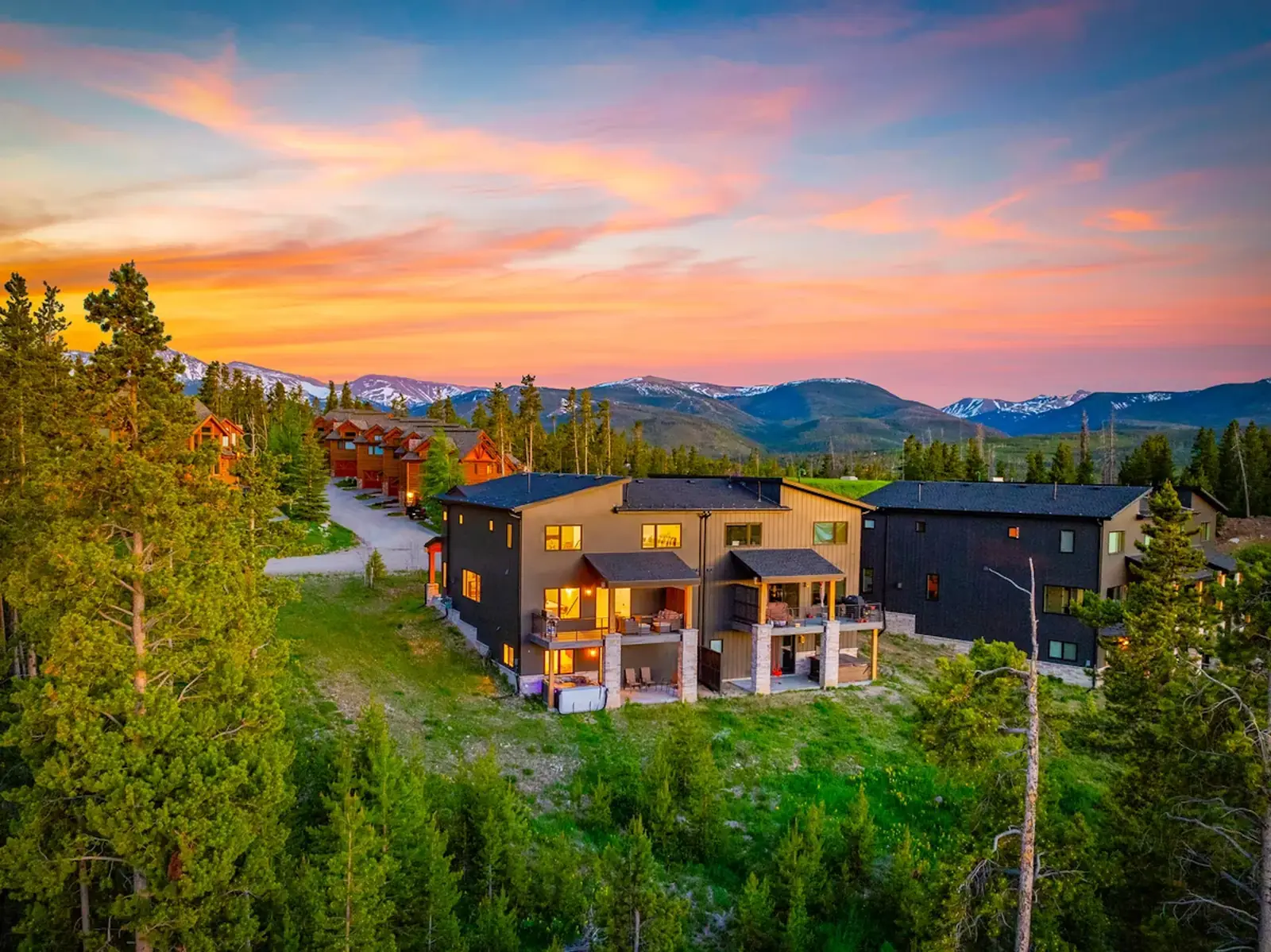
Scenario 1: The Rocky Mountain Winter Blizzard
Access Obstacles and Heating Demands
-
Context: A multi-generational family leases an estate at 9,000 feet in Colorado for a two-week winter holiday.
-
Operational Constraint: A major winter storm drops four feet of snow over forty-eight hours, dropping temperatures to fifteen below zero.
-
Primary Decision Point: Verify that the property includes a commercial snow-plowing contract, heated driveway surfaces, and continuous hydronic floor heating.
-
Failure Mode: Renting a home with a steep unheated dirt driveway reliant on manual snow shoveling.
-
Second-Order Effect: Vehicles get stuck on the driveway, blocking access for emergency services and forcing the family to stay indoors without fresh supplies.
Scenario 2: The High-Altitude Sabbatical
Atmospheric Altitude and Remote Work Infrastructure
-
Context: A corporate executive books a six-week summer sabbatical at a mountain villa in Utah to complete strategic planning.
-
Operational Constraint: Needs continuous high-speed data connections, quiet work environments, and protection against altitude sickness.
-
Primary Decision Point: Choose a property equipped with dual fiber-optic internet lines, supplemental bedroom oxygen systems, and air conditioning.
-
Failure Mode: Booking a high-elevation home reliant on a single line-of-sight wireless internet link.
-
Second-Order Effect: Summer afternoon thunderstorms disrupt internet connections during corporate video calls, halting work planning sessions.
Scenario 3: The Summer Wildland Interface Fire Alert
Defensible Space and Emergency Evacuation
-
Context: A group rents a timber compound in the Sierra Nevada mountains during peak August summer heat.
-
Operational Constraint: Nearby forest fires trigger municipal air quality warnings and potential pre-evacuation alerts.
-
Primary Decision Point: Confirm that the property maintains thirty feet of clean defensible space, exterior fire sprinklers, and clear evacuation roads.
-
Failure Mode: Renting a secluded forest home surrounded by dense dry brush along a narrow single-lane dead-end road.
-
Second-Order Effect: Smoke forces guests indoors, while a precautionary evacuation order forces an early end to the stay.
Planning, Cost, and Resource Dynamics
Budgeting for the best mountain villa rentals united states requires analyzing both direct rental rates and secondary operational expenses caused by steep terrain and high-altitude weather.
Direct and Indirect Financial Elements
Direct rental fees appear clearly on initial quotes. Indirect operational costs, however, emerge throughout the alpine lease lifecycle:
-
Four-Wheel-Drive Vehicle Rentals: Extra costs for hiring winter-equipped all-wheel-drive or four-wheel-drive vehicles with snow tires.
-
Private Snow-Plowing Fees: Charges for private contractor plowing during heavy, continuous winter storms.
-
Propane & Utility Fuel Surcharges: Tiered costs for running high-BTU furnace systems and heating outdoor hot tubs during sub-zero periods.
-
High-Altitude Equipment Storage: Rental fees for off-site winter gear lockers or specialized ski transport services.
Tools, Strategies, and Support Systems
Auditing and verifying alpine properties requires using geographic tools, weather data, and local maintenance inspection networks.
Essential Mountain Vetting Strategies
1. Driveway Gradient CAD Audits
Inspect satellite CAD terrain models to calculate driveway slopes, ensuring gradients remain under ten percent for safe winter driving.
2. Heating System BTU Verification
Confirm that furnace and hydronic heating systems deliver adequate BTU output for the property’s total interior volume.
3. Snow-Plowing Contract Audits
Verify that active, written snow-removal contracts are in place with local contractors before signing winter lease agreements.
4. Auxiliary Generator Testing
Confirm that backup generators feature automatic transfer switches and adequate propane fuel reserves for extended grid blackouts.
5. Local Medical and Trauma Access Checks
Measure actual ground transit times to the nearest regional trauma center, verifying access routes during winter storm conditions.
6. Defensible Space Inspections
Inspect the property perimeter to confirm thirty feet of cleared ground, protecting the home from summer wildfire risks.
Risk Landscape and Failure Modes
Compounding Failure Modes
A severe operational failure occurs when extreme winter weather causes cascading mechanical breakdowns.
For instance, an extreme cold snap can knock out regional power lines. If an unmaintained backup generator stalls, interior temperatures drop quickly, freezing hydronic heating pipes.
Frozen pipes burst, causing major water damage and making the estate unlivable. Evaluators must verify backup power readiness and pipe insulation standards prior to booking winter stays.
Governance, Maintenance, and Long-Term Adaptation
On-Site Operational Oversight
Managing mountain exposure risks across extended stays requires establishing clear operational routines upon check-in. The primary renter should inspect heating controls, test backup generators, locate water shut-off valves, and review emergency evacuation procedures early on.
Systematic Mid-Stay Monitoring
During multi-week stays, schedule regular maintenance checks to catch potential issues early:
Weekly Heating System Checks
Inspect boiler pressure gauges, furnace air filters, and propane tank fuel levels weekly during winter stays.
Roof and Deck Snow Inspections
Monitor snow accumulation on roof overhangs and elevated decks, clearing excess snow to prevent structural strain.
Road and Driveway Reviews
Keep driveway entryways clear of ice buildup using eco-friendly ice melt compounds and regular plowing.
Measurement, Tracking, and Evaluation
Evaluating mountain property performance requires tracking technical data points and operational resilience metrics throughout the stay.
Essential Documentation Practices
Maintaining detailed records protects renters during lease reviews and provides valuable reference data for future mountain trips:
Timestamped Move-In Property Logs
Record complete video walkthroughs during check-in and checkout to document interior conditions and resolve security deposit claims fairly.
Incident Maintenance Registers
Log all power outages, heating drops, and contractor snow-plowing visits in a central trip file immediately.
Post-Stay Technical Audits
Document heating performance, road access issues, and weather impact to refine future property selection frameworks.
Common Misconceptions and Oversimplifications
Myth 1: “All Luxury Mountain Estates Offer Ski-In/Ski-Out Access”
-
Correction: True ski-in/ski-out access requires direct physical placement along open resort trails. Many luxury properties require short shuttle rides or driving to reach ski lifts.
Myth 2: “A Large Fireplace Can Heat an Entire Mountain Home”
-
Correction: Traditional fireplaces draw warm air out of living spaces and up the chimney. Primary heating depends on modern hydronic floor loops and high-output forced-air furnaces.
Myth 3: “Standard Vehicles with All-Season Tires Can Handle Mountain Driveways”
-
Correction: Steep, icy mountain driveways require dedicated winter tires and true four-wheel-drive systems. All-season tires lose grip quickly on icy slopes.
Myth 4: “Summer Mountain Stays Do Not Require Air Conditioning”
-
Correction: Modern high-altitude summer temperatures often reach eighty-five degrees, making unconditioned top-floor bedrooms uncomfortably warm during sunny periods.
Ethical, Practical, and Contextual Considerations
Environmental Stewardship and Mountain Communities
Leasing mountain luxury estates requires managing local resource use responsibly. High-altitude environments feature delicate ecosystems, water scarcity challenges, and wildlife corridors that demand care from residents and guests.
Community Safety and Fire Regulations
Guests must follow local environmental safety rules, outdoor fire bans, and noise standards. Ensuring property operations match local wildland-urban interface guidelines protects neighboring homes and helps preserve surrounding mountain forests.
Conclusion
Securing the best mountain villa rentals united states requires moving past surface interior photos and conducting thorough technical engineering checks. Planners must evaluate alpine real estate as part of a dynamic physical environment, balancing elevation challenges, heating capacity, driveway slope gradients, and utility redundancies.
By applying access difficulty models, checking hydronic heating reliability, verifying generator readiness, and confirming active snow-plowing contracts, travelers can eliminate major operational failure points. Evaluating mountain property locations through a disciplined analytical framework protects financial investments, ensures physical safety, and delivers a comfortable, high-altitude stay.