Top Coastal Villa Stays in America: Structural Evaluations & Marine Engineering
Securing high-end residential real estate along American shorelines requires navigating complex coastal engineering, municipal zoning laws, and environmental dynamics. While standard leisure travel focuses on interior decor or resort proximity, maritime estate leasing operates as a specialized asset transfer. Coastal environments subject buildings to aggressive marine corrosion, tidal shifts, storm surges, and high humidity. When individuals, family offices, or corporate desks lease a high-value seaside residence, overlooking structural engineering or environmental resilience can lead to severe operational disruptions.
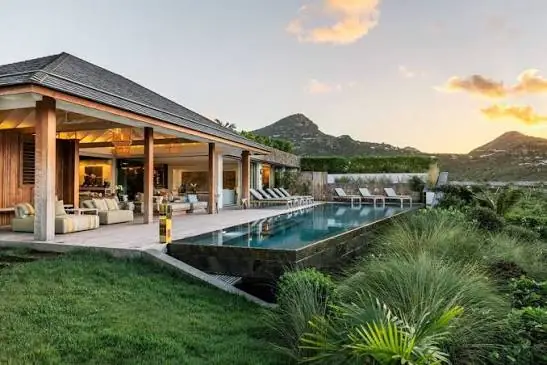
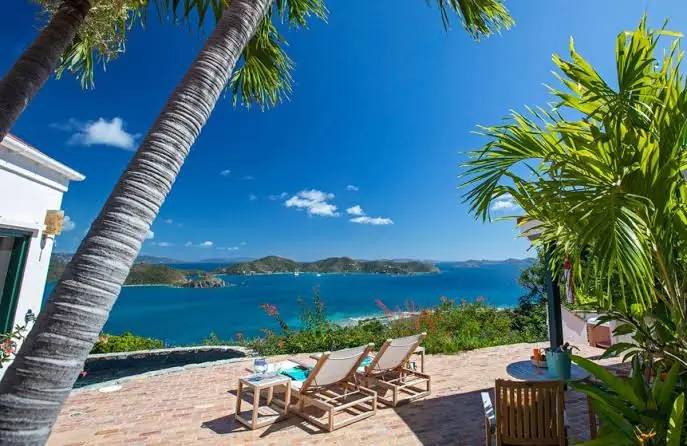
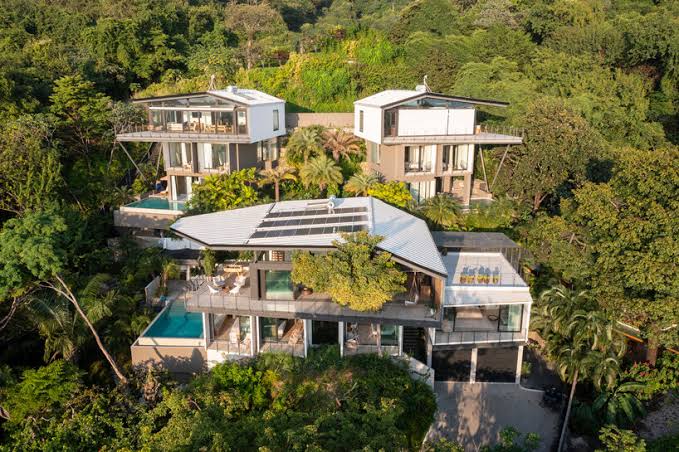
The United States coastline features extreme geographical diversity. Properties range from New England granite cliffs and mid-Atlantic barrier islands to southern coral keys and rugged Pacific bluffs. Evaluating these locations requires moving past promotional photography and curated marketing brochures. Evaluators must audit coastal erosion rates, flood zone classifications, backup power system reliability, and salt-air corrosion mitigation. Without thorough technical evaluation before signing, unexpected environmental or structural failures can compromise an extended lease.
A successful property evaluation strategy aligns physical maritime architecture with the specific operational goals of the occupants. A secluded New England cape intended for a writing sabbatical demands entirely different infrastructure than a barrier island compound hosting large family gatherings. Misjudging storm surge vulnerabilities, coastal building codes, or private right-of-way access roads often causes daily friction, financial loss, or emergency evacuations.
This guide provides an analytical framework for evaluating, leasing, and managing marine residential properties across American shorelines. It treats estate procurement as an integrated environmental and financial audit. Physical topography, climate exposure, lease contracts, and utility resilience are systematically evaluated. Planners can use these methodologies to eliminate site selection errors, protect capital, and ensure safe, uninterrupted stays.
Understanding Top Coastal Villa Stays in America
Multi-Perspective Evaluation
Evaluating top coastal villa stays in america requires viewing maritime real estate through distinct operational lenses. A coastal setting that excels for an active aquatic vacation may fail completely for a high-privacy corporate executive retreat. Corporate travelers prioritize reliable broadband networks, secure meeting spaces, and proximity to regional airports. Conversely, multi-generational family groups prioritize flat terrain, barrier-free beach access, safe swimming perimeters, and proximity to emergency medical care.
Common Misunderstandings
A frequent error in maritime property selection is assuming that scenic oceanfront vistas guarantee structural and environmental stability. Listing platforms often emphasize panoramic water views while masking severe environmental vulnerabilities.
A property perched directly on an unprotected coastal bluff may offer stunning views, but suffer from rapid soil erosion, severe wind damage, and high salt-air corrosion rates on mechanical equipment.
Risks of Oversimplification
Relying solely on property purchase prices or nightly rental rates creates major operational risks. Basic listing descriptions rarely account for microclimatic weathering, seasonal nor’easter or hurricane paths, or strict local coastal zoning laws.
Without auditing FEMA flood zone classifications, bulkhead structural integrity, and marine-grade electrical wiring, an apparently luxurious seaside estate can quickly prove hazardous or legally restricted.
Deep Contextual Background
Historical Evolution of American Maritime Estates
The tradition of coastal estate leasing in the United States has evolved from 19th-century industrial summer colonies into a sophisticated, highly regulated market. Historically, wealthy families built sprawling wooden shingle compounds along New England shores and southern barrier islands. These properties relied on natural ventilation, simple masonry chimneys, and local manual labor.
As coastal populations expanded, engineering standards shifted dramatically. Modern coastal architecture incorporates reinforced concrete pilings, impact-resistant glass, and automated storm protection systems.
The Shift to Engineered Resilience and Smart Control
Over the past two decades, maritime real estate transformed in response to rising sea levels, severe weather events, and changing building codes. High-end coastal villas now function as high-tech fortified structures designed to withstand extreme environmental stress.
-
Deep-Pile Foundation Engineering: Anchoring structures deep into bedrock or stable substrate to resist storm surge scour.
-
Marine-Grade Material Specifications: Utilizing 316 stainless steel fasteners, treated timber, and corrosion-resistant aluminum window frames.
-
Automated Environmental Protection: Installing motorized storm shutters, smart sump pumps, and automatic flood barriers.
-
Independent Energy Grids: Integrating rooftop solar arrays with lithium battery storage and diesel generators to maintain power during outages.
Modern Regulatory and Climate Dynamics
Modern coastal leasing operates under strict environmental regulations enforced by federal, state, and local agencies. Federal Emergency Management Agency (FEMA) flood maps, state coastal commission rules, and local zoning laws dictate what modifications can occur on seaside parcels.
Property managers and renters must navigate these legal frameworks. Non-compliance with local dune protection laws or coastal construction setbacks can result in severe municipal fines or order halts on property operations.
Conceptual Frameworks and Mental Models
The Coastal Exposure and Resilience Model
The Coastal Exposure and Resilience Model measures how a property’s specific shoreline placement impacts its structural stability and maintenance requirements. Exposure increases when estates sit on low-lying barrier island beaches or exposed headlands.
Evaluators can calculate a property’s resilience score using a simple formula:
A higher calculated score indicates greater structural stability and lower risk of storm damage during maritime weather events.
The Marine Corrosion and Maintenance Framework
Salt-air environments accelerate electrochemical corrosion on metal components, electrical contacts, and heating, ventilation, and air conditioning (HVAC) systems. The Marine Corrosion and Maintenance Framework categorizes structural vulnerability across different coastal distances.
Auditing property maintenance readiness requires evaluating three core marine factors:
-
HVAC Coil Protection: Confirming epoxy-coated condenser coils designed to resist salt-air pitting.
-
Electrical Enclosure Sealing: Inspecting outdoor breaker panels and lighting fixtures for NEMA 4X waterproof ratings.
-
Fastener Metallurgical Grade: Verifying that structural deck screws and railing bolts use marine-grade stainless steel.
The Infrastructure Redundancy Matrix
Coastal environments are notoriously vulnerable to grid power outages caused by tropical storms, nor’easters, and high-wind events. The Infrastructure Redundancy Matrix evaluates an estate’s capability to maintain normal utility operations during regional grid failures.
Key Categories or Variations
Understanding coastal property categories helps planners identify systemic architectural and environmental trade-offs across different American shorelines.
1. New England Granite Cliff & Rocky Shore Estates
New England rocky shore estates feature rugged granite foundations, historic timber shingle architecture, and deep-water ocean exposure.
-
Trade-Offs: Delivers high elevation above storm surges and classic maritime aesthetics, but exposes structures to freezing winters, heavy nor’easters, and difficult water access.
2. Mid-Atlantic Barrier Island Compounds
Barrier island compounds sit on low-elevation sandy spits backed by sounds or bays, offering expansive ocean beaches and extensive marsh views.
-
Trade-Offs: Provides direct beach frontage and warm summer waters, but carries extreme hurricane storm surge risks, shifting dunes, and mandatory evacuation vulnerabilities.
3. Southern Lowcountry Tidal River Estates
Lowcountry estates sit along tidal marshes, ancient live oak canopies, and winding river estuaries across Georgia and South Carolina.
-
Trade-Offs: Offers deep privacy, calm waters, and lush natural surroundings, but involves heavy humidity, aggressive insect populations, and strict marsh setback laws.
4. Florida Keys & Tropical Coral Key Villas
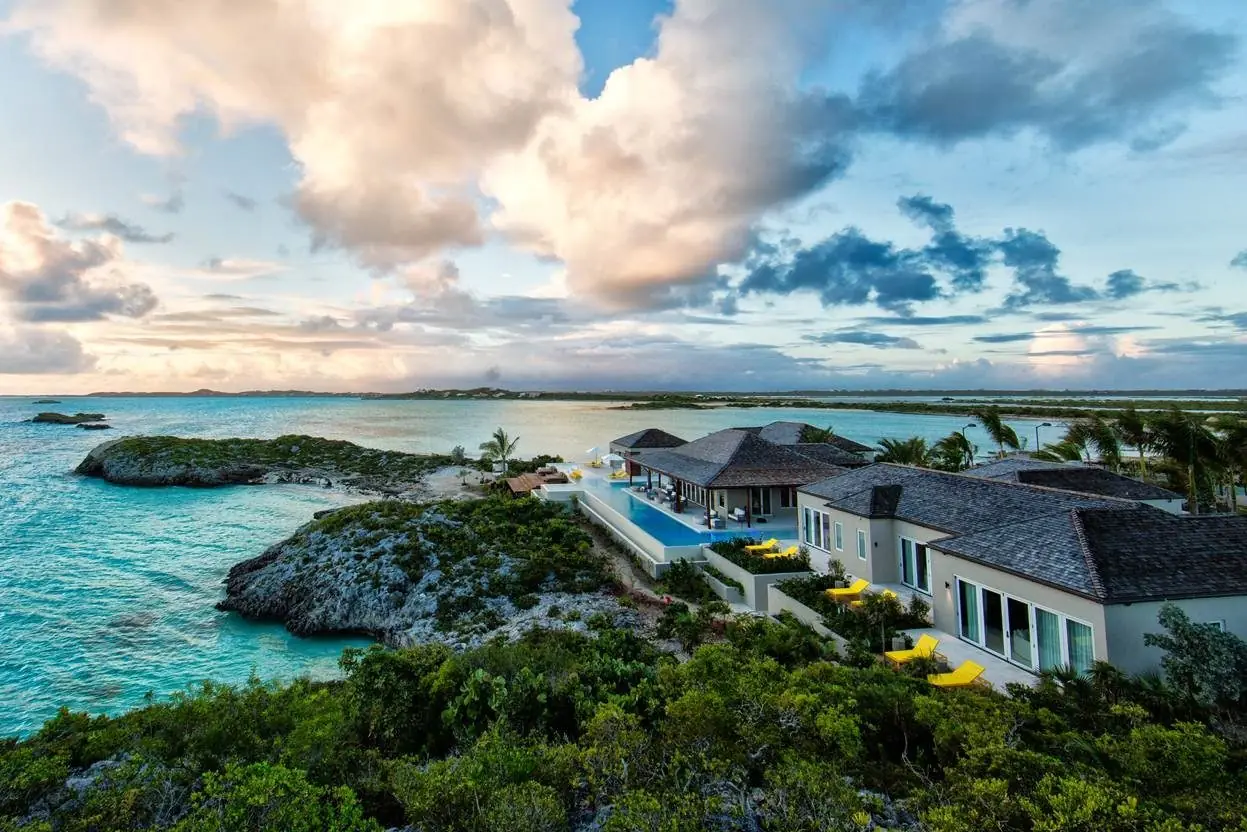
Tropical keys properties feature sub-tropical vegetation, clear coral water access, private boat docks, and direct exposure to Caribbean weather patterns.
-
Trade-Offs: Unmatched tropical water access and boating infrastructure, but highly vulnerable to direct hurricane landfalls, intense sun exposure, and rising sea levels.
5. Pacific Northwest Rugged Bluff Residences
Pacific Northwest coastal homes sit on steep evergreen-forested bluffs overlooking the cold Pacific Ocean and dramatic sea stacks.
-
Trade-Offs: Provides dramatic wilderness scenery and cool summer climates, but suffers from high annual rainfall, heavy cloud cover, and bluff erosion risks.
Detailed Real-World Scenarios
Scenario 1: The Barrier Island Storm Surge Threat
Environmental Monitoring and Emergency Protocols
-
Context: A family office leases a luxury compound on a mid-Atlantic barrier island for a three-week summer stay.
-
Operational Constraint: Tropical storm formations in the Atlantic threaten the coastline during the second week of occupancy.
-
Primary Decision Point: Verify that the property features automated impact shutters, elevated living floors above base flood elevation, and signed evacuation protocols.
-
Failure Mode: Renting a ground-level coastal cottage lacking storm shutters and backup power during hurricane season.
-
Second-Order Effect: Approaching storm surges flood the ground floor, knocking out power and stranding occupants without safe shelter or municipal services.
Scenario 2: The New England Nor’easter Power Grid Failure
Utility Resilience and Generator Maintenance
-
Context: A corporate team rents a granite bluff estate in Maine for an autumn strategy session.
-
Operational Constraint: A severe nor’easter knocks out regional overhead power lines for seventy-two hours.
-
Primary Decision Point: Choose a property equipped with an automatic transfer switch and a commercial-grade diesel generator capable of running the entire estate.
-
Failure Mode: Relying on unmaintained residential backup generators that fail to start under heavy coastal wind loads.
-
Second-Order Effect: Loss of heating, water pumping, and internet connectivity forces the team to abandon the lease early, incurring financial losses.
Scenario 3: The Florida Keys Marine Corrosion Audit
Mechanical Maintenance and Salt-Air Mitigation
-
Context: A traveler books a multi-month winter stay at a coral key waterfront villa in the Florida Keys.
-
Operational Constraint: High ambient humidity and salt spray accelerate corrosion on outdoor appliances, air conditioning units, and boat lifts.
-
Primary Decision Point: Contract properties featuring marine-grade stainless fixtures, epoxy-coated HVAC condensers, and bi-weekly mechanical maintenance visits.
-
Failure Mode: Renting a villa with standard residential HVAC units placed directly exposed to sea breezes.
-
Second-Order Effect: Salt corrosion destroys the air conditioning compressor within three weeks, requiring expensive emergency replacement during peak holiday periods.
Planning, Cost, and Resource Dynamics
Budgeting for top coastal villa stays in america requires analyzing both direct rental fees and secondary operational expenses driven by harsh marine environments.
Direct and Indirect Financial Elements
Direct rental rates cover space occupancy. Indirect operational costs, however, emerge throughout the maritime lease lifecycle:
-
Specialized Storm Insurance Riders: Additional insurance premiums required to cover windstorm, flood, and storm surge liabilities.
-
Marine Fuel Reserves: Costs for maintaining diesel generator fuel tanks and propane reserves for coastal heating systems.
-
Dockage and Mooring Fees: Municipal or private permit fees associated with renting boat slips alongside waterfront estates.
-
Corrosion Mitigation Services: Routine professional washing and waxing of exterior glass, metalwork, and woodwork to prevent salt buildup.
Tools, Strategies, and Support Systems
Auditing and verifying maritime properties requires using specialized geographic tools, marine engineering data, and local inspection networks.
Essential Maritime Vetting Strategies
1. FEMA Flood Zone Audits
Review official FEMA flood insurance rate maps to confirm whether a property sits within VE (velocity wave action) or AE flood zones.
2. NOAA Tidal and Surge Modeling
Analyze historical tide charts and NOAA surge data to evaluate vulnerability to extreme high-tide flooding (king tides).
3. Professional Bulkhead Inspections
Hire marine contractors to inspect seawalls, docks, pilings, and retaining walls for structural cracks or undermining erosion.
4. Marine-Grade System Checks
Verify that all exterior electrical panels, generators, and HVAC compressors feature corrosion-resistant marine coatings.
5. Local Evacuation Planning
Map out clear regional evacuation routes and verify local county emergency shelter operations before arrival.
6. On-Site Physical Verifications
Require independent local inspectors to test automatic storm shutters, sump pumps, and backup generator transfer switches.
Risk Landscape and Failure Modes
Compounding Failure Modes
A severe failure occurs when a maritime weather event triggers cascading mechanical and structural breakdowns.
For instance, a powerful nor’easter knocks out regional power grids. If an unmaintained backup generator fails to engage, electric sump pumps stop working, allowing floodwaters to inundate ground-level utility rooms.
Unless property managers service mechanical systems regularly, coastal estates become uninhabitable quickly. Planners must verify generator reliability and flood mitigation systems before signing lease agreements.
Governance, Maintenance, and Long-Term Adaptation
On-Site Operational Oversight
Managing coastal exposure risks across extended stays requires establishing clear operational routines upon arrival. The primary renter should inspect storm shutters, test sump pumps, locate utility shut-off valves, and review evacuation protocols early on.
Systematic Mid-Stay Monitoring
During multi-week stays, schedule regular maritime audits to catch environmental changes early:
Weekly Seawall and Dock Checks
Inspect private docks, pilings, and retaining walls for storm debris impacts or shifting timber after high tides.
Generator and Sump Testing
Test backup generators and sump pumps weekly to ensure mechanical readiness during storm season.
Weather and Tide Tracking
Monitor NOAA meteorological bulletins and local tide forecasts daily to anticipate king tides or coastal storms.
Measurement, Tracking, and Evaluation
Evaluating coastal property performance requires tracking concrete environmental data and operational resilience metrics throughout the lease.
Essential Documentation Practices
Maintaining detailed records protects renters during lease disputes and provides valuable reference data for future trips:
Timestamped Storm Preparation Logs
Record video logs of storm shutters, bulkheads, and drainage systems during check-in and checkout to resolve condition disputes fairly.
Utility Outage Registers
Log all power outages, generator run hours, and weather events in a central trip file immediately.
Post-Lease Environmental Audits
Document weather impacts, salt wear, and structural conditions to refine future property selection frameworks.
Common Misconceptions and Oversimplifications
Myth 1: “Oceanfront Views Guarantee Superior Construction Standards”
-
Correction: High prices often reflect aesthetic location value rather than engineering resilience. Older coastal homes may lack modern pilings or impact-resistant glass.
Myth 2: “Private Seawalls Prevent All Coastal Flooding”
-
Correction: Seawalls protect against wave action, but cannot prevent rising water tables, extreme king tides, or intense storm surge flooding from overtopping barriers.
Myth 3: “Standard Home Insurance Covers Coastal Storm Surges”
-
Correction: Standard homeowners insurance policies explicitly exclude flood and storm surge damage. Specialized federal or private flood insurance riders are mandatory.
Myth 4: “Coastal HVAC Systems Last as Long as Inland Units”
-
Correction: Salt-air corrosion cuts standard HVAC equipment lifespans in half. Coastal units require specialized marine coatings and frequent component replacements.
Ethical, Practical, and Contextual Considerations
Environmental Stewardship and Shoreline Protection
Leasing coastal luxury estates requires managing environmental impact responsibly. Building and occupying homes on fragile barrier islands or eroding bluffs can accelerate beach erosion, disrupt sea turtle nesting grounds, and damage local dune ecosystems.
Safety Features and Community Respect
Evaluators must verify safety features, including hurricane evacuation readiness, flood-resistant electrical wiring, and emergency response plans. Ensuring property operations respect local coastal regulations protects neighboring properties and helps maintain community resilience during severe weather.
Conclusion
Mastering top coastal villa stays in america requires moving past surface marketing photos and executing structured marine engineering audits. Planners must evaluate seaside real estate as part of a dynamic, harsh natural environment, balancing coastal topography, flood zones, corrosion mitigation, and utility redundancies.
By applying coastal exposure models, conducting professional bulkhead inspections, verifying emergency generator readiness, and reviewing FEMA flood ratings, travelers can eliminate major maritime risks. Evaluating coastal property locations through a disciplined analytical framework protects financial investments, ensures physical safety, and delivers a secure, uninterrupted seaside estate stay.