Best Villa Rentals for Families: Blueprint for Multigenerational Stays
Securing private residential estates for family travel requires a methodical operational strategy. Standard hotel stays rely on centralized infrastructure, room standardization, and established safety protocols. Private family villas operate as independent living environments. A single safety oversight, layout mismatch, or utility breakdown can disrupt an entire trip if proper evaluation systems are absent.
Modern estate procurement spans distinct reservation channels, including direct homeowner contracts, regional management firms, and global luxury brokerages. Each channel presents unique fee structures, liability conditions, and operational support guarantees. Selecting an appropriate framework depends on family age profiles, stay durations, mobility requirements, and culinary preferences. Arrangements designed for adult travel groups often prove inadequate for multigenerational families with young children or aging relatives.
Evaluating property listings requires inspecting architectural floor plans, pool security measures, service staffing ratios, and legal terms as a unified system. Online listings and promotional photographs routinely obscure physical risks. Critical details like steep drop-offs, un-fenced water features, fragile high-end furnishings, or noisy surrounding areas are rarely highlighted. Travel planners must look past surface aesthetics to verify core operational realities before transferring funds.
This reference guide provides a comprehensive methodology for selecting and managing family estates worldwide. The following sections examine structural design safety, risk management, financial dynamics, and operational governance. Approaching estate selection with analytical discipline ensures families secure properties that deliver exceptional comfort, physical safety, and operational reliability.
Understanding “best villa rentals for families”
Identifying the best villa rentals for families requires evaluating how physical architecture, service staffing, and safety systems interact across multiple age groups. The definition of an optimal property remains dynamic, shifting based on child development stages, elder mobility requirements, and family size. A dramatic architectural villa on a rocky hillside might serve adult groups well, yet present severe hazards for a family with toddlers.
Multidimensional Stakeholder Priorities
Different family members experience estate spaces through distinct practical priorities:
-
The Family Logistics Planner: Focuses on bedroom layout distribution, en-suite bathroom counts, laundry facilities, and kitchen capacity.
-
Parents of Young Children: Prioritize water safety barriers, enclosed green spaces, childproof interiors, and quiet sleeping wings.
-
Grandparents and Senior Guests: Focus on step-free mobility, accessible walk-in showers, comfortable seating, and ground-floor bedroom options.
-
Teenagers and Young Adults: Require high-speed data connectivity, independent recreational spaces, and proximity to local attractions.
Vulnerabilities in Basic Selection
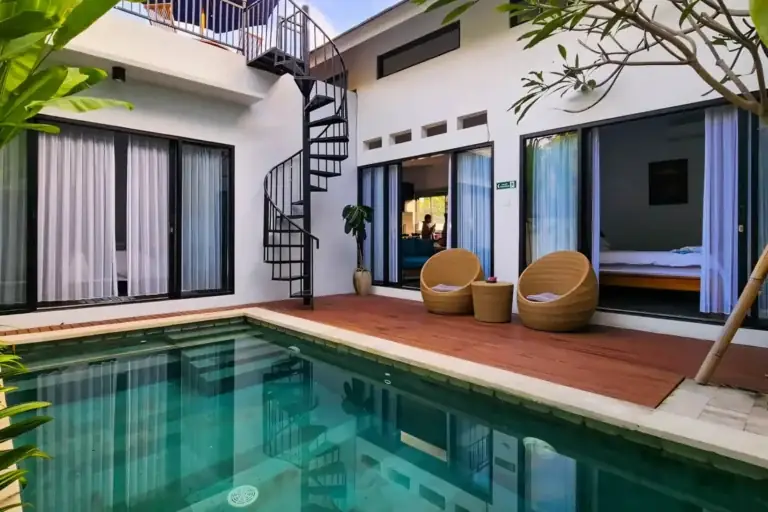
A common error in family travel planning is treating private residences like commercial hotel suites. Aggregator search tools prioritize photo popularity or commission margins rather than physical safety or operational integrity. Relying exclusively on promotional imagery hides functional drawbacks, such as slippery tile flooring, open spiral staircases, or inadequate hot water capacity.
Additionally, marketing copy often conflates self-catering holiday homes with professionally managed family compounds. Properties described as luxury retreats may lack essential family infrastructure, such as certified pool safety barriers or reliable climate control. Complete evaluation requires analyzing building layout, management responsiveness, and local neighborhood safety as an integrated framework.
Deep Contextual Background
Historical Evolution of Family Estates
The tradition of family estate rentals originated with ancient Roman villa rustica properties, where extended families spent summers away from urban centers. During the 19th century, wealthy European families established seasonal seaside and mountain retreat traditions. These historic arrangements relied on estate managers, local caretakers, and long-term lease contracts negotiated through family offices.
During the late 20th century, growing international flight networks transformed coastal regions in Europe, the Caribbean, and Southeast Asia. Real estate brokerages began managing private holiday homes for owners seeking rental income. These legacy agencies maintained direct local oversight, employing ground staff to manage building repairs, domestic cleaning, and guest receptions.
Market Digitalization and Quality Variances
The rise of digital booking networks in the late 2000s fundamentally altered access to private residential inventories. Open digital platforms bypassed traditional regional brokerages, connecting homeowners directly with family bookers. While this digital expansion broadened destination choices and lowered entry costs, it also introduced wide variations in safety standards and property maintenance.
Today, the global market operates across three distinct tiers: open consumer listing platforms, professionally managed regional portfolios, and high-end luxury concierges. Each tier balances cost, operational control, and safety verification differently. Navigating this environment requires identifying homes that offer residential warmth alongside verified structural safety.
Conceptual Frameworks and Mental Models
Professional travel planners use structured mental models to evaluate private family residences. These analytical tools eliminate promotional bias to assess how a property will perform during an extended stay.
Spatial Safety and Autonomy Framework
This framework measures how effectively a home balances central group areas with safe, acoustically isolated sleeping zones. It evaluates whether a layout permits social activity without disrupting sleep schedules for young children or senior guests.
-
Application: Map bedroom wings relative to swimming pools, kitchens, and central living rooms.
-
Limitation: Blueprint analysis cannot detect external neighborhood noise or steep terrain surrounding the property bounds.
Operational Load Model for Families
This model calculates the daily domestic effort required to maintain family routines during a stay. It categorizes essential tasks, including meal prep, dishwashing, laundry, pool oversight, and child supervision.
-
Application: Determine whether a stay requires self-catering, daily domestic help, or a full private chef and housekeeping team.
-
Limitation: Adding on-site domestic staff introduces privacy trade-offs that require clear schedule management.
Utility and Emergency Resilience Scale
This scale evaluates a property’s resilience against regional utility disruptions, which can disproportionately impact families traveling with infants or elderly relatives.
-
Application: Confirm the presence of backup power systems, secondary water storage, reliable water heating, and fast-response maintenance teams.
-
Limitation: Highly resilient estates command higher rental rates and require more complex mechanical management.
Key Categories and Variations
The private rental sector includes several property types, each suited to specific family structures, budgets, and operational expectations.
Fully Staffed Family Compounds
These luxury estates operate as private miniature resorts. They feature dedicated teams including private chefs, property managers, housekeepers, and groundskeepers.
-
Best For: Multigenerational family reunions, milestone anniversaries, and families desiring complete relaxation.
-
Trade-Offs: Higher overall financial investment and reduced personal solitude due to on-site service personnel.
Managed Regional Family Villas
These homes are privately owned but managed by professional regional agencies. They offer verified cleaning standards, child safety features, and local concierge assistance without full-time live-in staff.
-
Best For: Independent families who value professional quality standards alongside domestic privacy.
-
Trade-Offs: Maintenance response times vary depending on local agency staffing levels and time of day.
Peer-to-Peer Vacation Homes
Direct owner listings hosted on global digital booking applications. These homes offer diverse design styles and authentic suburban neighborhood settings.
-
Best For: Budget-conscious families, smaller units, and shorter stays in suburban or urban locations.
-
Trade-Offs: Safety verification varies widely, and physical repairs depend entirely on individual owner availability.
Realistic Selection Logic
Selecting an appropriate family property requires matching specific group requirements directly with estate capabilities:
Detailed Real-World Scenarios

Multigenerational Beach Resort Vacation
A family of fourteen, including toddlers, teenagers, parents, and elderly grandparents, books a seaside villa.
-
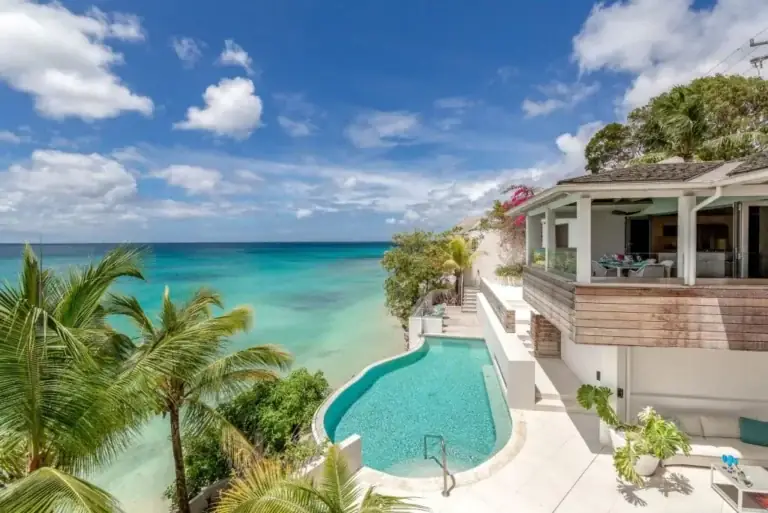
Operational Challenge: The estate features multi-level stone terraces, an un-fenced infinity pool, and open interior staircases.
-
Failure Mode: Toddlers require constant manual supervision near water drop-offs, while grandparents struggle to navigate stone steps between living areas.
-
Second-Order Effect: Parent exhaustion increases as family members spend excess time managing physical safety hazards.
-
Strategic Resolution: Require certified pool safety fencing, ground-floor bedroom suites, and flat garden pathways before booking.
Remote Countryside Family Retreat
A family rents a mountain estate for a winter holiday requiring consistent heating and continuous data connectivity for remote work.
Infrastructure Disruption
A severe localized storm damages regional power lines, disabling the main electrical grid across the valley.
Operational Impact
Sub-zero temperatures cause interior comfort levels to plummet while heating pumps freeze. Data systems fail completely.
Secondary Consequences
Infants and elderly family members face physical discomfort, forcing the family to seek emergency alternative shelter.
Strategic Prevention
Verify that the estate maintains a fully automated diesel back-up generator with sufficient fuel reserves for five days of operation.
Planning, Cost, and Resource Dynamics
Securing the best villa rentals for families requires managing both baseline rates and indirect operational expenses. Beyond advertised nightly charges, total stay costs include management fees, local taxes, security deposit holds, and staff provisioning.
Direct vs. Indirect Expenses
-
Direct Costs: Base nightly rates, mandatory exit cleaning fees, local government tourism taxes, and security deposit holds.
-
Indirect Costs: Advanced Provisioning Allowances (APA) for food purchases, pool heating surcharges, staff gratuities, and child equipment rental fees.
-
Opportunity Costs: Strict cancellation terms lock up capital months in advance, limiting financial flexibility if family health issues arise.
Geographic Financial Variations
Rental rates vary based on location, property scale, and included service amenities:
Tools, Strategies, and Support Systems
Successful estate procurement relies on systematic audit tools, structured communication protocols, and verified support systems.
Essential Audit Systems
-
Satellite Terrain Audits: Use satellite mapping applications to inspect property slopes, road conditions, and distance to medical facilities.
-
Child Safety Verification Protocols: Formally confirm the presence of pool safety fences, stair gates, window latches, and secure terrace railings.
-
Floor Plan Mapping Frameworks: Analyze room distributions to ensure parents remain close to young children while maintaining acoustic privacy.
-
Utility Infrastructure Checks: Inspect technical ratings for air conditioning coverage, water heating capacity, back-up generators, and internet speed.
-
Escrow Payment Verification: Process all booking transactions through protected escrow accounts rather than unverified direct bank wires.
-
Local Emergency Contact Protocols: Confirm that property managers provide 24/7 emergency support with guaranteed physical response times.
Risk Landscape and Failure Modes
Private residential rentals introduce operational risks distinct from commercial hotel stays. Identifying potential failure points allows family bookers to establish effective safeguards.
Core Vulnerability Classes
-
Infrastructure Failures: Heating or cooling system failures, hot water exhaustion during peak family use times, or power outages.
-
Contractual Disputes: Claims over pre-existing property wear versus damage caused by children, often stemming from poor check-in records.
-
Safety Hazards: Un-fenced pools, low terrace walls, slippery marble floors, or unsecured access doors leading to busy roads.
-
Environmental Noise: Unannounced adjacent construction projects or late-night entertainment venues disrupting children’s sleep schedules.
Governance, Maintenance, and Long-Term Adaptation
Maintaining high safety and operational standards across private estates requires active management by property managers and vigilant verification by family bookers.
Layered Family Verification Protocols
Pre-Arrival Stage
-
Verify management agency operating credentials and safety compliance certificates.
-
Confirm installation of certified pool safety fencing and interior stair gates.
-
Secure high chairs, cribs, and specialized child safety gear from verified suppliers.
-
Review dietary preferences and allergy protocols with the culinary team.
Check-In Stage
-
Conduct a comprehensive walkthrough with the villa manager to document existing wear.
-
Test pool gate latches, window locks, and terrace railing stability.
-
Verify hot water heater capacity and test air conditioning controls in all bedrooms.
-
Test Wi-Fi network connectivity and speeds in both living areas and bedrooms.
Post-Stay Stage
-
Complete a joint exit inspection with the villa manager before departure.
-
Sign formal check-out documentation confirming property condition.
-
Track security deposit refund timelines according to contract terms.
Measurement, Tracking, and Evaluation
Evaluating the success of a family villa stay requires tracking both pre-booking indicators and post-stay metrics.
Key Performance Metrics
-
Communication Responsiveness: How rapidly property managers answer detailed pre-booking safety and infrastructure questions.
-
Safety Compliance Verification: Formal written documentation confirming pool barriers, stair guards, and emergency equipment functions.
-
Deposit Refund Performance: The total turnaround time required for management to release security deposit funds post-checkout.
-
Representation Accuracy: How closely the physical property matches advertised photographs and amenity descriptions.
Common Misconceptions and Oversimplifications
Misconception 1: High Rates Automatically Guarantee Child Safety
Correction: Premium pricing reflects location, land value, or architectural design, but does not guarantee child safety features. Luxury homes often feature open infinity pools, floating staircases, and delicate artistic decor that require extra caution for young families.
Misconception 2: Direct Bookings Are Always Safer and Cheaper
Correction: Booking directly with a property owner may bypass service platform fees, but eliminates third-party payment protection and formal dispute mechanisms. Saving on initial booking fees can lead to substantial financial exposure if safety or contract issues arise.
Misconception 3: Promotional Photos Show Current Property Conditions
Correction: Marketing photos are often taken immediately after major property renovations and staged under optimal lighting conditions. Family bookers should request recent video walkthroughs to verify current maintenance conditions.
Ethical, Practical, and Contextual Considerations
The expansion of private villa rentals carries broad socio-economic consequences for destination communities, local housing access, and regional natural resources.
Community and Environmental Balance
-
Housing Availability: Unregulated short-term rentals can reduce long-term housing options for local residents and increase living costs.
-
Resource Management: Large luxury estates consume substantial electricity and water, creating challenges for local public utilities in resource-constrained regions.
-
Fair Employment Standards: Responsible family bookers should verify that management agencies pay fair living wages to local housekeepers, gardeners, and culinary personnel.
Conclusion
Securing the best villa rentals for families requires combining visual assessment with rigorous safety, operational, and contractual analysis. Understanding management models, matching floor plans to family mobility needs, and verifying utility redundancies allows travelers to select homes that deliver both exceptional comfort and physical safety. Private estate stays offer unmatched privacy, spatial freedom, and customized service experiences that commercial hotels cannot match. Achieving that ideal outcome simply requires structured research, clear contract terms, and thorough pre-arrival planning.